
The Importance of Self-Care for Caregivers
Caring for others can be incredibly rewarding, but it's important to take care of yourself too. Here are several ways to make sure you're taking care of yourself as a caregiver.

Caring for others can be incredibly rewarding, but it's important to take care of yourself too. Here are several ways to make sure you're taking care of yourself as a caregiver.

Although it’s highly gratifying, serving as a family caregiver can be physically, mentally, and emotionally demanding. Adding numerous holiday activities to an already full plate can push even the most seasoned caregiver to the breaking point.

At HomeChoice Home Care Solutions, we’ve met and assisted hundreds of family caregivers over the past 15+ years. We understand how important mindfulness and self-care are for these special people, and we’d love to share these five tips to help you be your best for yourself and your family.

As the days go by and the added stress of caregiving builds, many informal caregivers run the risk of developing a condition known as caregiver burnout. When left unaddressed, the mental, physical, and emotional toll of caregiver burnout can lower the quality of life of both caregiver and care recipient.
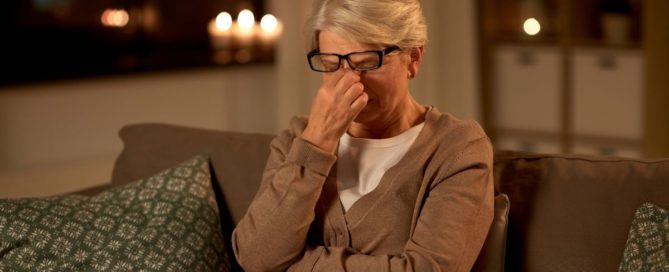
Caregiver burnout is experienced by many family caregivers and is nothing to be ashamed of. Here are some ways to fight it!

Your aging in place elderly mother has been in declining health for several years now. She lives nearby, so you and your spouse take turns providing mom with the care she needs. But you both also have jobs, a household and two active children to manage. Some days you and your spouse hardly see one another at all, and now the kids are starting to complain. What should you do?

Providing care to an elderly loved one is a labor of love, but millions of family caregivers every year experience a condition called “caregiver fatigue”. Caregiver fatigue is common amongst members of the “Sandwich Generation”, or those adults who are caught in between raising children and caring for an elderly parent at the same time. Thankfully, staying recharged and refreshed is possible when using these tips from the pros.

For the past 6 months you’ve been caring for your elderly mother while also working full time and raising two school-aged kids. As a member of the Sandwich Generation, trying to balance caregiving with a job and household can be overwhelming. However, it is possible when you take this approach.

Your aging in place elderly mother is chronically ill, so you’ve been serving as her sole caregiver for several months now. But between getting mom to her doctor’s appointments and treatments, and helping her around the house, you hardly have time to take care of yourself. You’re having trouble sleeping, constantly feel stressed-out, and can’t remember the last time you went to the gym. Are you starting to get caregiver burnout?
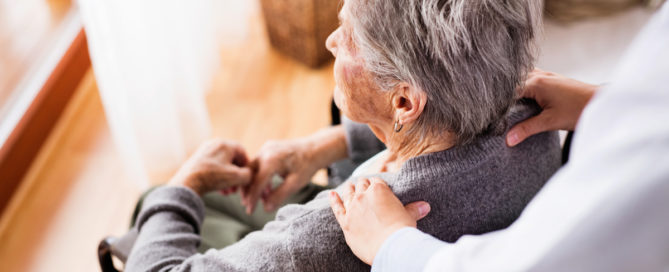
Serving as a family caregiver for an aging in place elderly loved one is highly rewarding, but it can also be physically and emotionally draining. The average family caregiver in the U.S. also juggles at least a part-time job and household with their caregiving responsibilities, which makes their lives even more challenging. What follows are some reliable respite care options when it’s time for you to take a well-deserved break.
HomeChoice Home Care Solutions of Raleigh is a non-medical home care agency licensed by the North Carolina Department of Health and Human Services.
Service Area: Providing Senior Care in Raleigh, Durham, Chapel Hill, Cary, Wake Forest & Clayton, North Carolina
HomeChoice Home Care Solutions
Address: 3801 Lake Boone Trail, Suite 190, Raleigh, NC 27607
Get Directions
Phone: (984) 214-7546
Talk to our care team and schedule your free in-home care assessment.




© 2026 HomeChoice Home Care Solutions | Privacy Policy