
Diabetes Awareness for Caregivers: Recognizing Warning Signs
Learn 8 diabetes warning signs caregivers can spot during everyday care, from shakiness before lunch to damp sheets, plus what to do for each one.

Learn 8 diabetes warning signs caregivers can spot during everyday care, from shakiness before lunch to damp sheets, plus what to do for each one.

Family caregiver burnout can develop gradually when one person carries too much responsibility for too long. Learn the warning signs and how respite home care can give Raleigh families dependable relief while helping an older loved one remain supported at home.

A look at what healthy aging at home really looks like — the small, ordinary moments caregivers create every day, one visit at a time.

Medication routines can become difficult when memory, mobility, vision, or a changing schedule gets in the way. Learn how non-medical caregivers can provide reminders, reinforce routines, observe changes, and communicate concerns while staying within a clearly defined role.
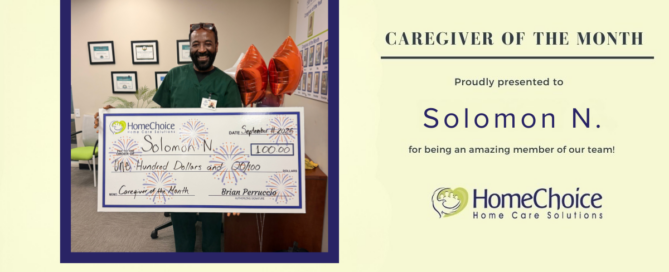
Congratulations to our September 2026 Caregiver of the Month! Thanks for being an indispensable part of our team, Solomon!

A practical, room-by-room walkthrough of fall prevention for seniors — plus the everyday habits and support that help lower risk at home.

The right support can help a person living with Parkinson’s remain safer, more confident and more independent at home. Learn how Parkinson’s-trained caregivers can reinforce daily routines while providing families with dependable relief.

Why sleep problems and aging seem linked, which signs are worth a doctor's visit, and how daily routine and support at home can lead to better rest.
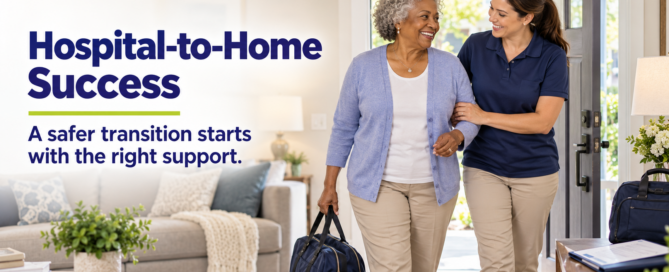
Returning home after a hospital stay can feel overwhelming for an older adult and their family. Learn how thoughtful planning, a safe home environment and personalized senior home care can support a smoother hospital-to-home transition in Raleigh.

Dementia can change how a person understands and responds to conversation. These six practical communication strategies can reduce frustration, build trust and help families preserve meaningful connection.
HomeChoice Home Care Solutions of Raleigh is a non-medical home care agency licensed by the North Carolina Department of Health and Human Services.
Service Area: Providing Senior Care in Raleigh, Durham, Chapel Hill, Cary, Wake Forest & Clayton, North Carolina
HomeChoice Home Care Solutions
Address: 3801 Lake Boone Trail, Suite 190, Raleigh, NC 27607
Get Directions
Phone: (984) 214-7546
Talk to our care team and schedule your free in-home care assessment.


© 2026 HomeChoice Home Care Solutions | Privacy Policy