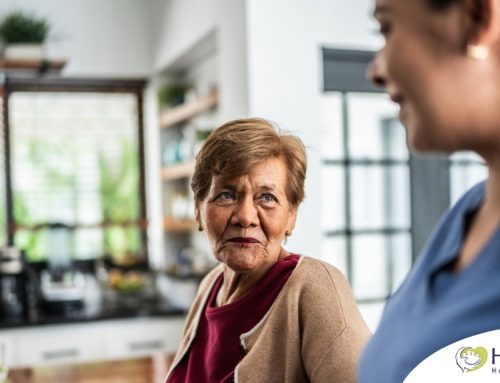
You call your mom on a Tuesday afternoon and she sounds fine — but something feels a little off. She’s not as interested in the grandchildren’s stories. She hasn’t mentioned her garden in weeks. When you visit, she’s sitting in the same chair she was in last time, and the television is on but she doesn’t seem to be watching it. You can’t quite name what’s changed, but something has.
Changes like these can be easy to dismiss as simply getting older. But for many families, what looks like quietness or slowing down may actually be a sign that something deeper is going on with a parent’s mental health. Senior mental health — and depression in older adults in particular — is one of the most underrecognized challenges in aging, in part because the signs can be subtle and in part because many people, including older adults themselves, assume low mood is just a normal part of getting older. It isn’t.
Around 14 percent of adults aged 70 and over live with a mental disorder — with depression and anxiety being the most common. And yet treatment rates remain low. This article can help you understand what affects senior mental health, what signs may be worth paying attention to, and how in-home care can offer meaningful support for an aging parent’s emotional well-being.
Depression in Seniors Is Not a Normal Part of Aging
One of the most important things to understand about depression in older adults is that it is a medical condition — not an inevitable consequence of growing older. Many older people experience rich, meaningful lives well into their eighties and nineties. Sadness, grief, and difficult emotions are part of life at every age, but persistent low mood, loss of interest, and withdrawal from the things and people a person loves are not something anyone has to simply accept as part of aging.
Older adults may face real barriers to getting treatment, including difficulty with transportation, cost, and a lack of accessible mental health services — and health care professionals don’t always adequately diagnose or treat depression in this age group. That gap makes it all the more important for families to recognize the signs and feel empowered to act on them.
What Does Depression Look Like in Older Adults?
Depression in seniors doesn’t always look the way people expect. Older adults experiencing symptoms of depression may not say they feel sad. Instead, they may seem:
- Unusually tired or physically slowed down
- Less interested in hobbies, visitors, or activities they used to enjoy
- More irritable or easily frustrated than usual
- Forgetful or mentally foggy in ways that feel new
- Less attentive to eating, hygiene, or their home environment
- Preoccupied with physical complaints like headaches, body aches, or digestive issues that don’t have a clear medical cause
Because many of these symptoms overlap with other health conditions — or simply look like slowing down — depression in older people is frequently missed. If several of these signs feel familiar, it may be worth a conversation with their doctor about mental health care. A proper evaluation, including a review of any medications that might be affecting mood, is an important first step.
Risk Factors That Affect Senior Mental Health and Emotional Well-Being
Understanding the risk factors for poor senior mental health can help families stay more attuned to what their loved ones are going through — especially during times of transition.
Loss and grief. The later years often bring a concentration of losses — of friends, of a spouse, of a career identity after retirement, of physical capabilities that once felt reliable. Grief is a natural response to loss, but when it becomes prolonged or begins to interfere with daily life, it may develop into a more significant mood disorder that benefits from professional support.
Social isolation and loneliness. Approximately one quarter of community-dwelling Americans aged 65 and older are considered to be socially isolated. Social isolation is one of the strongest risk factors for depression in seniors, and its effects extend beyond mental health — the National Institute on Aging reports that loneliness and social isolation are associated with higher risks for heart disease, depression, and cognitive decline.
Chronic illness and physical health changes. Conditions like heart disease, cancer, diabetes, and chronic pain are more common as people age, and they carry emotional weight alongside their physical symptoms. Managing a serious diagnosis, adjusting to disability, or dealing with reduced mobility can all affect a person’s sense of purpose and well-being in ways that deserve as much attention as the physical condition itself.
Medication side effects. Some medications commonly prescribed to older adults can affect mood as a side effect. If a parent’s emotional well-being seems to have shifted around the time a new medication was introduced, this is worth raising with their doctor.
Cognitive changes and dementia. Depression and dementia can occur together, and anxiety or withdrawal can sometimes be an early sign of cognitive decline. This doesn’t mean every mood change signals dementia — but it’s one more reason why changes in a parent’s emotional state deserve a thoughtful evaluation rather than a quick reassurance.
When Should You Talk to a Doctor?
If you’re noticing changes in your parent’s mood, engagement, or behavior that have lasted more than a couple of weeks, a conversation with their primary care physician is a reasonable next step. You don’t need a clear diagnosis to raise the concern — you can simply share what you’ve been observing.
A doctor may conduct a mental health evaluation, review current medications, order lab tests to rule out physical causes like thyroid issues or vitamin deficiencies, and in some cases make a referral to a mental health professional such as a psychiatrist or clinical social worker. Depression in older adults is a treatable condition. With the right combination of therapy, medication, social support, and lifestyle adjustments, many older people experience meaningful improvement in their symptoms and quality of life.
How Home Care Can Support Senior Mental Health
Home care isn’t a substitute for mental health treatment — and it’s important to be clear about that. A home caregiver is not a therapist or a psychiatrist. But the support a good caregiver provides can address several of the underlying conditions that contribute to poor mental health in older adults, in ways that make a genuine difference in everyday life.
Companionship as a Form of Care
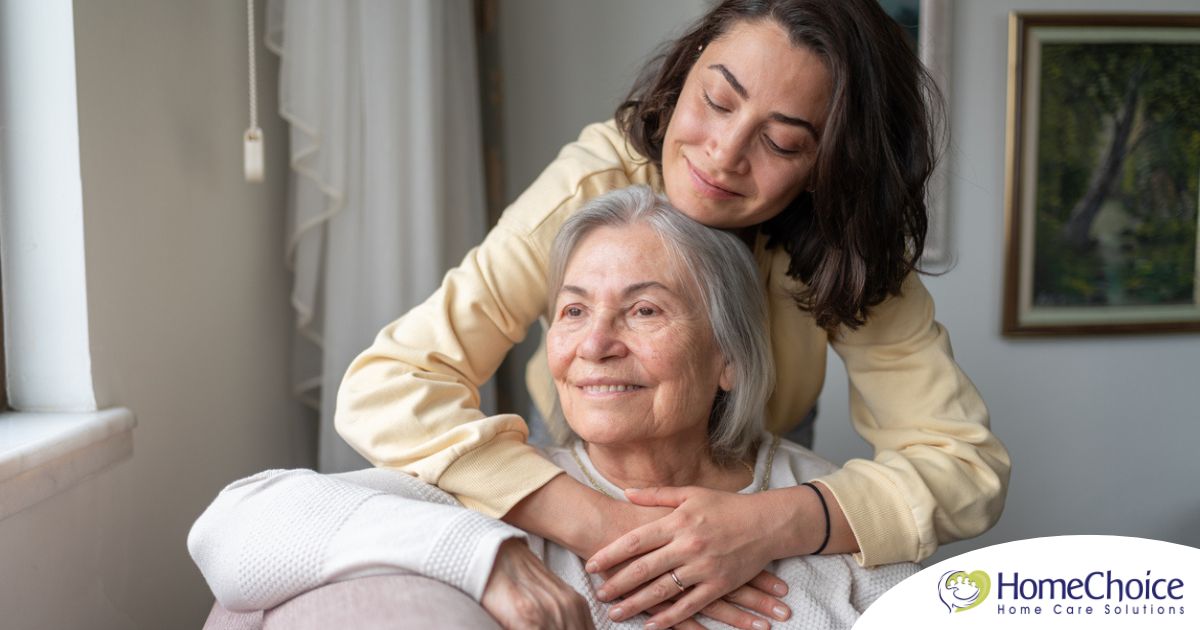
For many older adults, social isolation is the single most significant factor affecting their emotional well-being. A caregiver who visits regularly — someone warm, consistent, and genuinely interested in the person they’re supporting — can meaningfully reduce that isolation. Conversation, shared activities, a familiar face at the door: these aren’t small things for someone whose social connections have quietly narrowed over time.
Companionship care doesn’t require a specific agenda. Sometimes it looks like a card game, sometimes a walk, sometimes simply sitting together over coffee and talking about whatever comes up. For a parent who has been withdrawing, having a person who shows up reliably and treats them with warmth and interest can gradually shift the tone of their days.
Helping with the Basics That Affect Mood
There’s a real relationship between physical well-being and emotional well-being in older adults. Poor nutrition, disrupted sleep, lack of movement, and a neglected living environment can all contribute to low mood and make it harder for someone to feel good about their days. A caregiver who helps with meal preparation, light housekeeping, and gentle encouragement to move or get outside is also, in a quieter way, supporting their mental health.
For older adults managing a mental health condition alongside physical health challenges, having consistent support with daily activities removes a layer of stress and effort that might otherwise feel overwhelming.
Providing Family Members with Peace of Mind — and Important Observations
Families who live at a distance or have full schedules often carry a particular kind of anxiety about a parent they can’t check on as frequently as they’d like. A home caregiver becomes an additional set of eyes — someone who can notice when something seems off and communicate those observations to the family. That kind of reliable, ongoing presence can give families the right support they need to stay informed and respond early when something changes.
Finding the Right Mental Health Care and Support for Your Loved One
If you’re concerned about a parent’s mental health, a few steps may be worth considering alongside — or before — exploring home care:
Start with their primary care doctor. Share what you’ve been observing, as specifically as you can. Ask about a mental health evaluation and whether any current medications might be contributing to mood changes.
Reach out to resources designed to help families navigate this. Mental Health America offers education and resources for families supporting a loved one with a mental health condition. The National Institute on Aging has clear, accessible guidance on depression in older adults and how to seek help.
Think about what daily life looks like for your parent. Are they seeing people regularly? Getting outside? Eating well? Sometimes the most meaningful changes are the ones that address the quiet circumstances that make difficult feelings worse — and that’s exactly where in-home support can help.
For families in Raleigh and the surrounding Durham, Wake County, Johnston County, Wake Forest, Chapel Hill, and North Carolina communities, HomeChoice Home Care Solutions offers services designed to support older adults’ quality of life at home. Services include Companionship Care, Personal Care, and Respite Care. If you’re wondering whether in-home support might be right for your family’s situation, we’d be glad to talk it through. Contact us today or learn more about our services.
Note: This article is for informational purposes and is not a substitute for professional medical or mental health advice. If you are concerned about a loved one’s mental health, please consult their physician or a qualified mental health professional.