
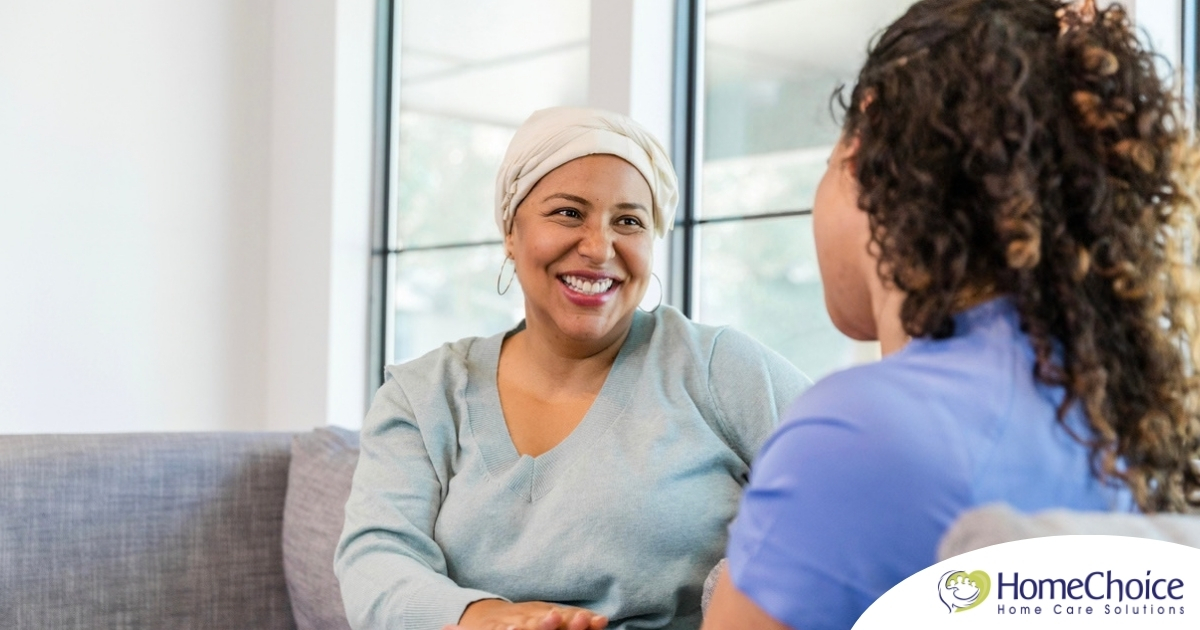
The infusion appointment is circled on the calendar. Someone has already offered to drive, and a neighbor dropped off a meal last week. Then Friday comes, two days after treatment, and your mom can barely get out of her chair. The food is gone and the driver is back at work. No one planned for this part.
For many families, this is what cancer treatment feels like. The appointments get organized, but the days in between are harder to predict. According to the American Cancer Society, more than two million people in the United States were expected to be diagnosed with cancer in 2025. For most of them, the bulk of treatment is lived at home rather than in a clinic.
This article can help you understand how home care during cancer treatment works, the types of support that tend to make the biggest difference, and how families in Raleigh and Durham, Wake County, Johnston County, Wake Forest, Chapel Hill, and North Carolina often use it to fill the gaps between appointments.
Why the Harder Days Often Come After Treatment
Families tend to plan around the schedule they can see. Treatment days have a start time, a location, and a care team. Post-treatment days don’t come with any of that, yet they’re often when a loved one feels the worst.
Fatigue is one of the most common side effects of cancer treatment, and it’s different from ordinary tiredness. Rest doesn’t always fix it. A person who managed fine on Monday may struggle to shower, cook, or hold a conversation by Wednesday.
Families who care for a loved one through cancer give a great deal of time and heart. That care doesn’t usually arrive in a steady stream. It ebbs and flows, and understanding that rhythm can make the commitment feel more manageable for everyone involved.
What Does Home Care During Cancer Treatment Look Like Day to Day?
Home care is non-medical support. Caregivers don’t give treatments or manage medical equipment. Those responsibilities stay with your loved one’s doctors and nurses. What a caregiver can do is take on the everyday tasks that become heavy when energy is low, so that rest is actually possible.
Rides to Appointments, and Someone to Wait With
Transportation is often the first service families ask about. A caregiver can drive to and from hospitals, clinics, and treatment facilities, help your loved one in and out of the car, and stay nearby in the waiting room. That last part tends to matter more than people expect. Long appointments feel shorter with someone familiar sitting close by.
Meals for Days When Nothing Sounds Good
Appetite often changes during treatment. Favorite foods may suddenly taste off, and a full plate can feel like too much. A caregiver who helps with meal prep can offer small portions, keep simple snacks within reach, and follow any eating guidance the care team has shared. On harder days, a few crackers and a cup of broth may be enough, and that’s okay.
Personal Care That Protects Dignity
Bathing, dressing, and grooming can become tiring during treatment. For someone in post-surgery recovery from breast cancer, reaching overhead or lifting an arm may be uncomfortable for a while. A caregiver can help with these routines at your loved one’s pace, offering as much or as little assistance as they want. Many people find it easier to accept this kind of help from a trained caregiver than from their own adult child.
How Comfort at Home Is Built in Small Moments
Comfort at home rarely comes from one big gesture. It builds through small, steady things. The blanket is where it’s supposed to be. The house is quiet in the afternoon. Someone notices your dad hasn’t had water in a while and brings him a glass without being asked.
Companionship is part of this, too. Cancer treatment can be isolating, and visits from friends often taper off as the weeks go on. A consistent caregiver becomes a familiar presence, someone to watch a favorite show with or simply sit nearby during a long afternoon.
For families across Raleigh, we’ve found that consistency often matters as much as the tasks themselves. Seeing the same face each visit doesn’t require your loved one to have to explain their preferences again or pretend to feel fine for a stranger.
Cancer Caregiving Affects the Whole Family
When someone you love has cancer, it’s natural to want to do everything yourself, making sure every task is covered. Many adult children try, often while holding down a job and caring for their own households. Over time, that pace can wear anyone down.
Cancer caregiving asks a lot. One study found that about half of cancer caregivers reported high emotional stress. Stress like that doesn’t mean you’re doing something wrong. It usually means you’re carrying too much alone.
Respite care can give a family caregiver a few hours or a full day to rest, work, or simply be a daughter or son again, rather than the scheduler, driver, and cook. It’s important to look after yourself during this time, and to utilize the resources available to you.
When Is the Right Time to Consider Home Care?
There’s no single right moment, but a few signs suggest it may be worth considering. Your loved one may be skipping meals on harder days. Laundry and dishes may be piling up. You may be missing work more often, or feel uneasy every time you leave the house.
Many families wait until they’re exhausted to ask for help. A good first step is bringing in support early, even for a few hours a week, so your loved one can get comfortable with a caregiver before the harder stretches arrive. Your loved one’s care team can also share information about what kind of help at home fits their treatment plan.
Care That Fits Your Family’s Rhythm in Raleigh
If someone you love is going through cancer treatment, you don’t have to plan every day on your own. HomeChoice Home Care Solutions provides home care during cancer treatment for families in Raleigh and Durham, Wake County, Johnston County, Wake Forest, Chapel Hill, and North Carolina, with support that can adjust as needs change from one week to the next.
HomeChoice Home Care Solutions offers Companionship Care, Personal Care, and Respite Care.
Starting a conversation can be a simple first step. HomeChoice Home Care Solutions is happy to walk through how home care can support your routines, so the days between appointments feel a little less uncertain.