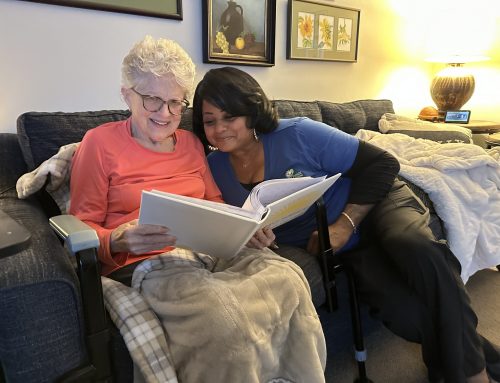

How practical home care support at home can make everyday life more manageable in Raleigh.
Support Between Appointments Matters
Breast cancer treatment affects more than the hours spent in a clinic. Surgery, chemotherapy, radiation therapy, immunotherapy, hormonal therapy, and follow-up care can change how a person feels and what they can comfortably manage at home. The National Cancer Institute explains that side effects vary by treatment and by person, but fatigue, appetite changes, pain, sleep problems, nausea, and difficulty concentrating can all affect daily life.
For families in Raleigh and across the Triangle, the challenge is often not knowing what the medical plan says. It is figuring out how to carry out that plan between appointments while meals still need to be prepared, errands still need to be completed, and family members still have jobs and other responsibilities.
Non-medical home care can help fill these practical gaps. A caregiver does not replace the oncology team, provide nursing care, or treat cancer. Instead, a caregiver offers dependable help with personal care, meals, transportation, household routines, companionship, and observation. That day-to-day support can make the home environment feel more manageable for the individual receiving treatment and for the family members supporting them.
Why Everyday Tasks Can Become Difficult
Cancer-related fatigue is different from ordinary tiredness. It may not improve fully with rest and can occur before, during, or after treatment. The American Cancer Society notes that fatigue may affect energy, concentration, and the ability to complete normal activities. Even a task that once felt simple, such as showering, cooking, folding laundry, or driving to an appointment, may take more effort.
Eating and hydration may also require more attention. Treatment can affect appetite, taste, digestion, and energy for food preparation. The National Cancer Institute nutrition guidance encourages people experiencing eating problems to discuss them with their healthcare team. At home, having someone available to prepare simple meals, offer drinks, and keep preferred foods within reach can help the family follow the recommendations provided by clinicians.
The need for help may change from day to day. Someone may feel relatively strong one morning and need more assistance the next. A flexible home care plan can be especially useful when treatment schedules, energy levels, and family availability are changing.
How Non Medical Home Care Can Help
Personalized home care assistance can be arranged around the person’s needs, preferences, and care plan. Depending on the situation, a HomeChoice caregiver may help with:
- Personal care, including assistance with bathing, dressing, grooming, and comfortable daily routines
- Meal preparation and hydration prompts based on the family’s preferences and the healthcare team’s guidance
- Light housekeeping, laundry, and keeping commonly used areas orderly
- Transportation and accompaniment to oncology appointments, follow-up visits, therapy, or errands
- Medication reminders without administering medication or changing the prescribed schedule
- Companionship during long days at home and support with meaningful activities
- Observation of changes in routine, appetite, mobility, or mood and communication with the appropriate family contact
- Respite care that gives family caregivers time to work, rest, attend appointments, or care for other family members
This support is not limited to older adults. Breast cancer can affect adults at many stages of life, including people who are raising children, managing careers, or living alone. The right question is not a person’s age. It is whether treatment or recovery has made everyday life harder and whether dependable help would reduce strain.
Transportation and Appointment Support
Breast cancer care may involve frequent appointments across several weeks or months. A family may be able to cover the first few visits and then find that the schedule becomes difficult to sustain. Reliable transportation can reduce one recurring source of stress, especially when an individual should not drive after a procedure or when fatigue makes driving uncomfortable.
A non-medical caregiver may provide transportation when it is part of the care plan and agency services. The caregiver can help the client get ready, gather personal items, travel to the appointment, and return home safely. Clinical questions, treatment decisions, and instructions still belong with the healthcare team. Families should confirm in advance whether a responsible adult must remain at the facility or receive discharge instructions.
Support After Breast Cancer Surgery
Recovery after a lumpectomy, mastectomy, reconstruction, or another procedure is different for every person. The surgical team should provide specific instructions about wound care, activity, lifting, bathing, medications, and symptoms that require a call. Non-medical caregivers do not perform skilled wound care or make clinical decisions, but they can support the daily routines surrounding recovery.
That might mean preparing meals, helping with dressing, handling laundry, keeping frequently used items within easy reach, providing transportation to follow-up appointments, and allowing the person to conserve energy for recovery. If the caregiver or family notices a change that causes concern, the appropriate response is to contact the healthcare team rather than attempt to assess or treat the problem at home.
Relief for Family Caregivers
Family members often become the default coordinators of care. They may manage calendars, meals, transportation, household tasks, communication with relatives, and emotional support while trying to remain fully available. The National Cancer Institute caregiver resources recognize that cancer caregivers frequently help with doctor visits, food preparation, personal care, and emotional support.
Respite home care creates dependable periods when a family member does not have to be the only person on duty. A caregiver can stay with the individual, assist with routine needs, and provide companionship while the family caregiver works, sleeps, exercises, attends an appointment, or spends time with children. Respite is not stepping away from a loved one. It is one way to make caregiving more sustainable.
When to Consider Home Care During Cancer Treatment
Families do not need to wait until they are overwhelmed. It may be time to explore home care when:
- Fatigue or weakness is making personal care, meals, or housekeeping more difficult
- Transportation to treatment and follow-up appointments is becoming unreliable
- The person lives alone or spends long periods without support
- Family members are missing work, losing sleep, or struggling to cover every need
- A short period of help is needed after surgery or during an especially demanding phase of treatment
- The family wants consistent observation and communication about changes in daily routines
The amount of support can be adjusted as needs change. Some families need a short visit on treatment days. Others benefit from regular help with mornings, meals, transportation, or evening routines. Starting the conversation early gives the individual and family more time to choose a plan that feels comfortable.
Home Care for Breast Cancer Recovery in Raleigh
HomeChoice Home Care Solutions provides non-medical home care in Raleigh, Cary, Apex, Durham, Chapel Hill, and surrounding Triangle communities. Our caregivers can support personal care, companion care, meal preparation, light housekeeping, transportation, medication reminders, and family respite according to an individualized care plan.
If breast cancer treatment or recovery is making daily life harder for someone you love, learn more about our senior home care services or contact HomeChoice at 919-847-5622. A conversation can help your family identify where practical support at home would make the greatest difference.